
Fall & Winter Kids' Clothing Guide: What Children Actually Need
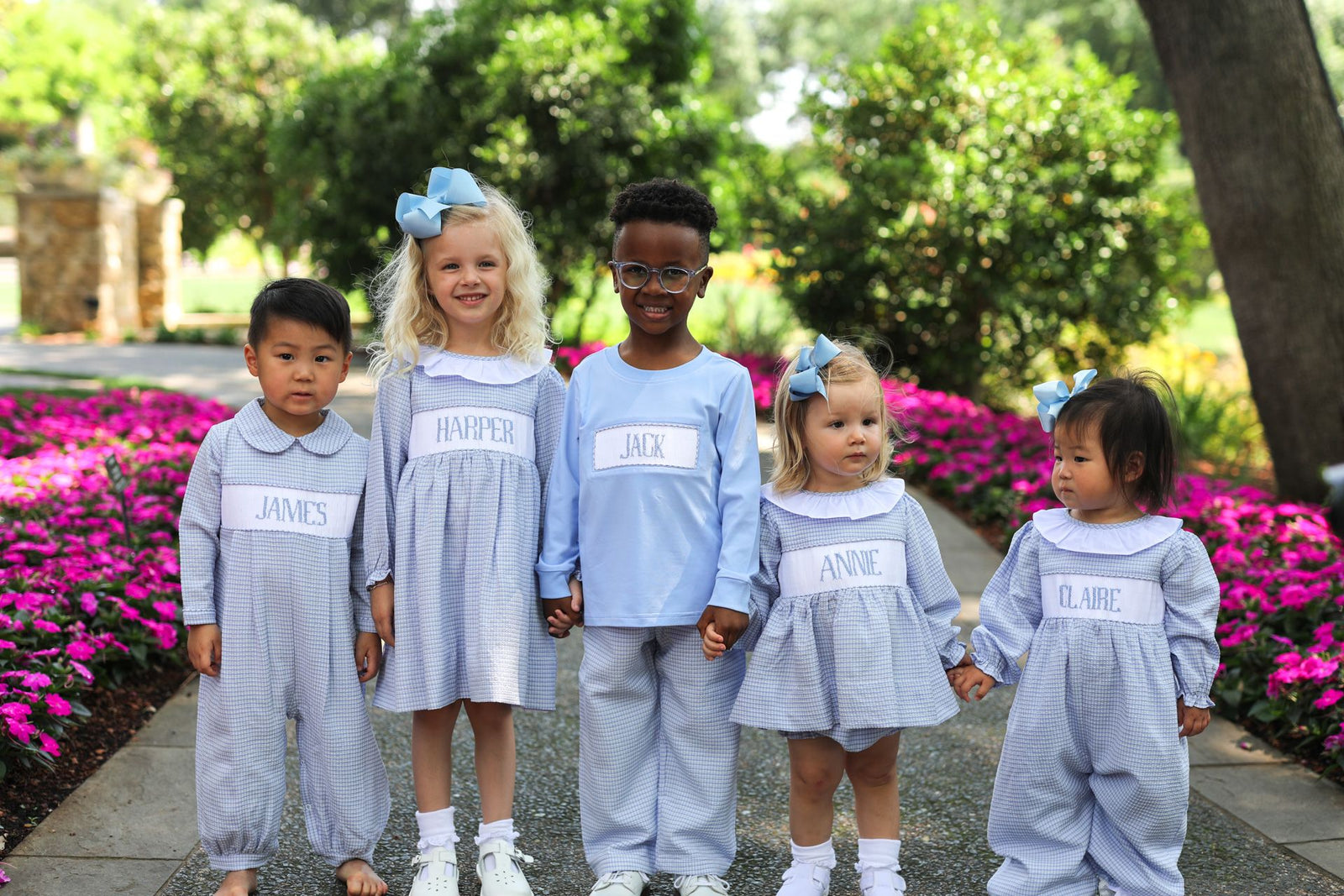
Children generally need enough everyday fall and winter outfits to last from one laundry day to the next, plus one or two backups if they are still in diapers, in school, or likely to need an extra change during the day.
From there, most families need a few versatile layers such as sweaters or cardigans, pajamas that match the same laundry rhythm, a lightweight jacket for transitional weather, a warmer coat if the local climate requires one, appropriate shoes and weather accessories, and one or two polished outfits for church, family photographs, Thanksgiving, Christmas, or other seasonal gatherings.
That is the basic fall and winter wardrobe.
The exact number of pieces depends on your child’s age, how often you do laundry, your local weather, school requirements, and how frequently your child needs to change clothes.
A toddler in Texas and a school-age child in Minnesota should not have the same checklist.
The goal is not to fill the closet. It is to make sure every part of your child’s real life is covered.
The Cecil & Lou Seasonal Wardrobe Rule
Cecil & Lou recommends starting with the number of everyday outfits your child needs between normal laundry days.
Once that foundation is covered, add three separate categories:
- Layers for changing temperatures
- Special-occasion clothing for the season’s events
- Weather protection appropriate to your actual climate
This is the Cecil & Lou Seasonal Wardrobe Rule.
It works because many seasonal shopping mistakes are really category mistakes.
Your child may already have plenty of outfits but no cardigan that fits.
You may own several pretty dresses, but nothing planned for family photographs.
Or you may start shopping for heavy winter clothing simply because the calendar says November, even though your local weather is still mild.
Cecil & Lou recommends treating everyday clothing, layers, special-occasion clothing, and weather protection as separate planning needs rather than combining everything into one seasonal shopping list.
Start with everyday coverage. Then identify the actual gap.
That keeps a seasonal wardrobe useful, not just large.
Fall & Winter Kids’ Clothing Checklist: A Practical Starting Point
Most children need enough everyday clothing to reach laundry day, several versatile layers, weather-appropriate outerwear, enough pajamas for the family’s normal routine, and one or two outfits for seasonal occasions.
Use this checklist as a starting point, not a universal rule.
| Clothing Category | Practical Starting Point | What to Consider |
|---|---|---|
| Everyday outfits | Enough to reach your next normal laundry day | Add 1–2 backups for babies, toddlers, or children who frequently need changes |
| Long-sleeve tops or seasonal one-pieces | Several versatile options | Dresses, bubbles, rompers, Jon Jons, longalls, and sets all count |
| Bottoms | Enough to coordinate with everyday tops | Pants, leggings, corduroy, skirts, or bottoms included with coordinated sets |
| Sweaters and cardigans | 2–3 versatile layers | Choose pieces that work with several outfits |
| Pajamas | Based on your laundry routine | Younger children often need additional backups |
| Lightweight jacket | Usually 1 | Especially useful during transitional weather |
| Warm coat | 1 when your climate requires it | Let actual weather determine this |
| Weather accessories | As climate requires | Hats, gloves or mittens, warm socks, rain gear, or winter footwear |
| Special outfits | Usually 1–2 | Church, portraits, Thanksgiving, Christmas, dinners, and gatherings |
| Shoes | Everyday pair plus occasion or weather footwear | Adjust for school, activities, and climate |
Age, climate, laundry frequency, school requirements, activity level, and how often you change outfits each day will all affect the final list.
Start With What Still Fits
Before buying anything new, start with the clothes already in the closet.
Sort last year’s fall and winter clothing into three groups:
Fits Now
These pieces immediately become part of this year’s working wardrobe.
May Fit Later
Keep pieces that are still slightly large but may become useful during the season somewhere separate and easy to find.
Too Small
Remove anything your child has clearly outgrown.
This simple step often changes the shopping list completely.
A closet may look full until you realize half of the pants are too short.
A child may already have enough dresses but no sweater or cardigan that still fits.
Another child may have plenty of school clothes but nothing appropriate for Thanksgiving or a scheduled family portrait.
The solution is not automatically “buy more fall clothes.”
Buy the missing category first.
Cecil & Lou recommends solving the wardrobe need that affects the most days before adding extra seasonal pieces.
If fit is uncertain, review the Cecil & Lou Size Guide before ordering.
How Many Fall and Winter Clothes Does a Child Need?
There is no universal number.
Laundry frequency is a much better starting point than an arbitrary checklist.
Ask:
How many days normally pass before clean clothes are back in the drawer?
If you wash children’s clothes several times each week, you may need a relatively small everyday wardrobe.
If you do laundry once a week, you need enough clothing to cover that entire stretch comfortably.
Then add realistic backups.
Babies and toddlers often need more because meals, diaper leaks, potty training, daycare, and outdoor play can create unexpected outfit changes.
Older children may need fewer backups but more clothing divided by purpose, such as school, church, activities, and special events.
A useful rule is:
Cover the laundry cycle first. Add backups only where your child’s age and routine justify them.
Special clothing should be counted separately.
A Thanksgiving dress is not necessarily part of the same rotation as the clothes your child wears to preschool.
Neither is a winter coat.
Keeping those categories separate makes the wardrobe easier to plan.
Everyday Fall Clothing for Kids
Everyday clothing should make up the largest part of the seasonal wardrobe because children wear it most often.
Depending on age, everyday fall clothing may include:
- Long-sleeve shirts
- Knit tops
- Pants
- Leggings
- Corduroy bottoms
- Pant sets
- Legging sets
- Dresses
- Bubbles
- Rompers
- Jon Jons
- Longalls
Classic children’s clothing can also be practical everyday clothing.
A bubble or romper gives a baby a complete outfit without multiple separate pieces.
A longall gives a young boy the traditional look of a Jon Jon with more coverage for cooler weather.
A knit dress works for school or errands and becomes more polished with a cardigan.
If you are unfamiliar with some of these traditional silhouettes, Cecil & Lou has a complete guide to bubbles, rompers, Jon Jons, and longalls.
How to Layer Kids’ Clothing
A practical children’s layering system has three parts.
1. Everyday Clothing
Start with the outfit the child would normally wear indoors.
That could be:
- A dress
- A bubble
- A romper
- A Jon Jon
- A longall
- A pant set
- A shirt and pants
- A knit set
2. A Removable Middle Layer
Add something that provides additional warmth but can easily come off when the temperature changes.
Examples include:
- Cardigans
- Sweaters
- Sweatshirts
- Fleece layers
This is one of the most useful categories in a fall wardrobe.
One cardigan that works with three dresses may be more valuable than another complete outfit.
3. Weather Protection
Add a jacket or coat when actual conditions require it.
For genuinely cold weather, the American Academy of Pediatrics recommends dressing children in several thin layers rather than relying only on one bulky layer. Appropriate hats, mittens or gloves, footwear, and outerwear may also be necessary in cold conditions.
Parents should also be careful with bulky winter coats in car seats. The American Academy of Pediatrics advises using thin, snug layers beneath a car-seat harness rather than putting bulky coats or snowsuits underneath the straps.
Base cold-weather safety decisions on local conditions and pediatric guidance, not clothing trends.
What Works Best for Transitional Fall Weather?
Transitional fall weather is often the hardest part of the season to dress for.
Mornings may be cool.
Afternoons may still feel like summer.
Indoor classrooms, restaurants, churches, and stores may be much cooler than the weather outside.
That is where versatile layers matter most.
Useful transitional pieces include:
- Long-sleeve knit outfits
- Lightweight cardigans
- Sweaters
- Long bubbles
- Longalls
- Leggings
- Corduroy dresses
- Lightweight jackets
- Quilted outerwear
Before buying a layering piece, ask one question:
How many existing outfits can this work with?
If a cardigan works with three dresses already in the closet, it fills a real wardrobe gap.
If it only works with one highly specific outfit, it is really part of that outfit rather than a versatile layer.
Browse Cecil & Lou Outerwear for current layering pieces and jackets.
One Layer Can Unlock Several Outfits
A useful cardigan or sweater does more than warm one outfit. It can extend dresses, collared sets, and everyday separates through changing temperatures.
That is why Cecil & Lou recommends asking how many existing outfits a layer can work with before adding it to the seasonal wardrobe.

What Changes When Fall Becomes Winter?
Fall wardrobes are built around flexibility.
Winter wardrobes are built around reassessment.
When temperatures begin staying colder rather than simply dipping overnight, go back through the wardrobe and check five things.
Recheck Everyday Layers
A light cardigan that handled October mornings may no longer be enough for daily outdoor transitions.
Make sure your child still has middle layers that fit comfortably over everyday outfits.
Check Coat Fit Again
Children grow quickly, and a coat that appeared to fit at the beginning of fall may feel restrictive by winter.
Check sleeve length, movement, and whether normal clothing can fit comfortably underneath.
Reassess Shoes and Socks
Cool-weather sneakers may still work in a mild winter.
Colder or wetter climates may require more weather-appropriate footwear and warmer socks.
Add Weather Accessories When Needed
Hats, gloves or mittens, and other protective items become more important as conditions get colder.
Shift Occasion Clothing Toward the Holiday Calendar
By late fall, Thanksgiving clothes begin giving way to Christmas programs, family gatherings, church services, and holiday photographs.
You don't need to replace your entire occasion wardrobe.
Instead, identify whether one or two existing polished outfits can continue working through winter.
Cecil & Lou recommends reassessing the same wardrobe rather than starting over when the season changes from fall to winter.
Weather Accessories for Kids
Buy weather accessories based on climate and activity, not just because winter has arrived.
Depending on where you live, children may need:
Hats
Cold-weather hats can help protect exposed areas during genuinely cold outdoor conditions.
Gloves or Mittens
Gloves or mittens become important when children spend time outdoors in cold weather.
Warm Socks
Sock choices should match footwear and conditions, particularly in colder or wetter climates.
Rain Gear
Families in rainy climates may get more use from rain jackets and water-resistant footwear than from snow gear.
Winter Footwear
Snowy or very cold climates may require insulated or weather-protective boots.
A family in East Texas and a family in Minnesota should not purchase the same weather accessories simply because both calendars say January.
For cold-weather protection, follow local forecasts and guidance from pediatric or weather experts.
Fall Fabrics and Classic Children’s Styles
Fall children’s clothing doesn't need heavy fabrics or technical performance claims to feel seasonal.
Texture, pattern, silhouette, and traditional detailing often create the fall look.
Corduroy
Corduroy is one of the most recognizable fabrics in classic fall children’s clothing.
Its ribbed texture adds visual depth and works especially well in:
- Dresses
- Bubbles
- Rompers
- Pants
- Diaper sets
- Sibling outfits
Corduroy is particularly useful for family pictures because the texture shows clearly without requiring a busy print.
Knits
Knits work well for everyday clothing because they fit naturally into casual outfits and layering combinations.
Knit dresses, sets, pajamas, and layering pieces can do a great deal of the everyday work in a fall wardrobe.
Plaid and Gingham
Plaid and gingham create seasonal interest without requiring an obvious holiday theme.
They are also useful when coordinating siblings because the same fabric or color story can appear across several different silhouettes.
Smocking
Smocking is a traditional decorative technique that gathers fabric into small pleats and secures them with decorative stitching.
It is especially associated with classic children’s dresses, bubbles, Jon Jons, and other traditional silhouettes.
Parents who want to learn more can read Cecil & Lou’s guide to smocking.
Embroidery and Appliqué
Embroidery and appliqué can add pumpkins, turkeys, initials, seasonal motifs, or other decorative details to an otherwise familiar silhouette.
These details change the look of the clothing, not the basic wardrobe function.
A Thanksgiving bubble is still a bubble.
A pumpkin pant set is still a pant set.
That distinction helps parents build around useful garments instead of buying a completely separate wardrobe for every theme.
Why Corduroy Works So Well for Fall
Corduroy gives classic children’s clothing an unmistakably seasonal texture without requiring a holiday motif. It works across dresses, bubbles, rompers, sets, and sibling looks.
That makes it especially useful for family pictures, church, school events, and polished everyday dressing.

Can Kids Still Wear Dresses in Fall?
Yes.
A girl’s dress does not suddenly become impractical when the weather cools.
Many dresses can remain useful throughout fall when paired with:
- A cardigan
- A sweater
- Leggings
- Tights
- Knee socks
- Appropriate outerwear
That is another reason to shop for layers before assuming a child needs an entirely new wardrobe.
A few versatile cardigans can extend dresses already hanging in the closet.
This applies to everything from simple knit dresses to smocked and bishop-style dresses worn for church, photographs, or family gatherings.
Browse Cecil & Lou Girls’ Dresses.
Fall Clothing for Babies and Toddlers
Babies and toddlers usually need more flexibility than older children.
Their wardrobes should account for:
- More frequent outfit changes
- Additional pajamas
- Easy diaper access
- Simple one-piece clothing
- Removable layers
- Extra backup outfits
Traditional one-piece clothing works especially well at this age.
Bubbles
Bubbles offer a classic rounded silhouette and are especially useful for babies and younger toddlers.
Rompers
Rompers create an easy one-piece outfit without requiring parents to coordinate several separate pieces.
Long Bubbles and Long Rompers
Longer one-piece silhouettes provide more coverage as the weather cools.
Longalls
Longalls are one of the easiest traditional boys’ silhouettes to bring into cooler weather.
A collared shirt underneath can add another layer while keeping the outfit polished.
For babies and toddlers, the goal should not be owning an enormous wardrobe.
It should be having enough clean, comfortable outfits to handle the realities of the day.
Explore Cecil & Lou Girls’ Long Bubbles and classic Boys’ Clothing.
Classic Fall & Winter Silhouettes for Little Ones
One-piece styles such as bubbles, rompers, and longalls make it easier to dress babies and toddlers while still creating a polished seasonal look.
For cooler weather, longer silhouettes and removable layers add flexibility without changing the classic shape families already know.

Fall Clothing for School-Age Children
Older children usually need fewer emergency changes but more variety for different activities.
Their wardrobe may need to handle:
- School
- Weekend outings
- Church
- Family dinners
- School programs
- Photographs
- Thanksgiving
- Christmas activities
This is where versatility matters most.
A dress with a cardigan may work for school and church.
A classic boys’ pant set may work for family dinner and fall pictures.
A sweater may work with several different shirts and pants.
The more jobs a piece can perform, the more useful it becomes.
How Many Pairs of Pajamas Do Kids Need?
Pajamas should follow the same laundry rule as everyday clothing.
Start with enough clean pajamas to comfortably reach your next normal laundry day.
Then add extras based on your child’s age and routine.
Babies, toddlers, children in potty training, and children who frequently need nighttime changes may benefit from additional pairs.
Older children often require fewer backups.
Treat holiday pajamas separately if they are part of your family’s Christmas traditions or photos.
Browse Cecil & Lou pajamas for girls and boys.
Sweaters, Jackets, and Winter Coats Do Different Jobs
Don't treat these categories as interchangeable.
Sweater or Cardigan
A sweater or cardigan is a flexible middle layer.
You can wear it indoors or outdoors and remove it easily when temperatures change.
Lightweight Jacket
A lightweight jacket is useful during transitional weather, windy days, and milder winters.
Winter Coat
A winter coat protects in genuinely cold conditions.
Whether your child needs one depends on where you live and how much time your child spends outside.
This matters because a Texas fall is not a Minnesota winter.
Families in warmer climates often get more use from cardigans, sweaters, sweatshirts, quilted jackets, and other flexible layers.
Families in cold and snowy climates need more substantial weather protection and should follow authoritative cold-weather safety guidance for coats, hats, gloves, boots, and outdoor exposure.
The weather should decide the coat, not the calendar.
What Should Kids Wear for Fall Family Pictures?
Children usually photograph best in outfits that are coordinated, comfortable, and appropriate to the setting.
You do not need to dress every child identically.
Instead, start with one anchor outfit or one shared visual element and build around it.
Fall Photo Outfits for Girls
Good options may include:
- Smocked dresses
- Corduroy dresses
- Knit dresses
- Plaid dresses
- Dress-and-cardigan combinations
Fall Photo Outfits for Boys
Options may include:
- Classic pant sets
- Collared shirts
- Sweaters
- Jon Jons
- Longalls
- Rompers for younger boys
- Corduroy pieces
Fall Photo Outfits for Babies
One-piece clothing often works especially well because it keeps the outfit visually simple.
Consider:
- Bubbles
- Long bubbles
- Rompers
- Diaper sets
- Simple smocked or embroidered one-piece outfits
Think About the Setting
An outdoor session in a pumpkin patch is different from a formal studio portrait.
A church courtyard is different from a Christmas tree farm.
Clothing should complement the setting, not compete with it.
Most importantly, choose outfits your children can actually move, sit, and play in.
A beautiful outfit stops helping the photograph if the child cannot stand wearing it for twenty minutes.
For seasonal portrait ideas, explore Cecil & Lou’s Pumpkin Outfits and Matching Sibling Outfits.
How to Coordinate Sibling Outfits for Fall
Matching and coordinating are not the same thing.
Matching
Matching means two or more children wear the same garment or very closely related versions.
Coordinating
Coordinating means the children share enough visual information to look connected while still wearing different, age-appropriate clothing.
Sibling outfits can coordinate through:
- Fabric
- Color
- Plaid
- Gingham
- Embroidery
- Smocking
- Seasonal theme
- Accent color
For example:
An older sister might wear a dress while a baby sister wears a bubble in the same fabric.
A brother might wear a romper or Jon Jon that pulls one color from his sister’s dress.
Several children might wear completely different silhouettes made from the same plaid.
One child can even wear the patterned “anchor” piece while siblings wear coordinating solids.
Cecil & Lou generally recommends coordinating sibling outfits through a shared fabric, color palette, pattern, or detail rather than requiring identical garments.
It allows each child to wear a silhouette appropriate to their age while the group still looks intentional.
The goal is not to make siblings look like copies of one another.
The goal is to make them look like they belong in the same photograph.
Coordinate Siblings Without Dressing Them Identically
Shared fabric, color, embroidery, or pattern is usually enough to make siblings look connected in a photograph.
Cecil & Lou generally recommends choosing age-appropriate silhouettes first, then tying the group together with one or two repeated visual details.

Everyday, Polished Everyday, and Occasion Clothing
The Cecil & Lou Seasonal Wardrobe Rule helps answer:
What categories are missing from the closet?
There is a second useful question:
How dressy does the clothing need to be?
For that, divide clothing into three levels.
Everyday
These clothes handle:
- School
- Daycare
- Errands
- Play
- Casual outings
They should earn frequent wear.
Polished Everyday
These clothes work for:
- Church
- Dinner out
- Visits with grandparents
- School programs
- Casual family photographs
- Nicer family outings
A cardigan, collared shirt, smocked dress, classic pant set, or polished knit outfit may move a piece into this category without making it formal.
Occasion
These are the outfits reserved for:
- Family portraits
- Thanksgiving
- Christmas
- Birthdays
- Ceremonies
- Major family gatherings
Families do not necessarily need a different outfit for every event.
A classic dress may work for church, Thanksgiving, and family photographs.
A boys’ pant set may work for portraits and a holiday dinner.
The best special-occasion clothing often has more than one place to go.
What Should Kids Wear for Thanksgiving?
Thanksgiving clothing should be polished enough for your family’s plans but comfortable enough for a long meal, sitting on the floor with cousins, and the inevitable family photograph.
Options may include:
- Smocked dresses
- Corduroy dresses
- Bubbles
- Rompers
- Jon Jons
- Longalls
- Pant sets
- Knit outfits
- Seasonal embroidery
- Thanksgiving appliqué
- Coordinated sibling outfits
If the Thanksgiving outfit can also work for church, fall photographs, or dinner with grandparents, it becomes far more useful than an outfit designed for a single afternoon.
Browse Cecil & Lou Thanksgiving Outfits.
What Should Children Wear to Church in Fall?
Church clothing varies by family and congregation, but the same basic principle applies:
Choose something polished that your child can comfortably wear for the full service.
Classic options may include:
- Smocked dresses
- Bishop dresses
- Sweaters and cardigans
- Jon Jons
- Longalls
- Pant sets
- Collared shirts
- Bubbles and rompers for babies
Use layers to adapt these outfits as the weather changes instead of replacing them entirely.
What Is a Kids’ Capsule Wardrobe?
A kids’ capsule wardrobe is a collection of everyday clothing, layers, and special-occasion pieces that work together across multiple activities, temperatures, and events.
The goal isn't to own the fewest possible clothes.
The purpose is to make the clothes your child owns more useful.
A successful capsule gives parents multiple combinations from a relatively small group of garments.
Building a Kids’ Fall Capsule Wardrobe
A children’s capsule wardrobe doesn't have to include a specific number of pieces.
It does not have to be neutral.
And it does not require replacing clothes your child already owns.
Build the capsule in this order:
- Sort what still fits.
- Determine how many everyday outfits you need between laundry days.
- Fill genuine gaps in tops, bottoms, dresses, sets, or one-piece outfits.
- Add two or three versatile layers.
- Make sure pajamas are covered.
- Confirm your child has the outerwear your climate requires.
- Add one or two occasion outfits last.
Then look at how the pieces work together.
If four tops work with three bottoms, your child has many more useful combinations than if every top requires one specific pair of pants.
The same applies to layering.
One cardigan that works with several dresses creates more wardrobe flexibility than three highly specific sweaters.
Cecil & Lou recommends measuring a child’s capsule wardrobe by useful combinations, not by how few pieces are hanging in the closet.
What Should Parents Buy First?
Buy the missing category that affects the most days.
If your child owns plenty of dresses but every cardigan is too small, start with a cardigan.
If sweaters still fit but every pair of everyday pants is too short, buy pants.
If everyday clothing and layers are covered but family photographs are scheduled next week, move to occasion clothing.
If cold weather is approaching and the coat no longer fits, weather protection moves up the list.
A practical priority order is:
Fit → Everyday Needs → Layers → Weather Protection → Occasions → Extras
That keeps seasonal shopping focused on solving real problems.
Frequently Asked Questions
How many fall clothes do kids need?
Children generally need enough everyday fall clothing to reach their family’s normal laundry day comfortably, plus additional backups when age, school, spills, or activities make extra changes likely. Plan layers, pajamas, outerwear, and special-occasion clothing separately.
How many winter clothes do kids need?
Start with the everyday clothing you need to reach laundry day, then reassess layers, coat fit, shoes, socks, and weather accessories as temperatures get consistently colder. Winter does not require replacing the whole fall wardrobe.
How many outfits should a toddler have?
There is no universal number. Start with enough outfits to reach laundry day, then add backups because toddlers frequently need more outfit changes than older children.
What should babies wear during fall?
Babies can wear simple one-piece outfits such as bubbles, rompers, and long bubbles, along with comfortable sets, pajamas, and weather-appropriate removable layers.
How should children dress in layers?
Start with the normal outfit, add a removable sweater or cardigan, then add a jacket or weather-protective outer layer when conditions require it.
Do kids need hats and gloves in winter?
Children may need hats, gloves or mittens, warm socks, and other weather protection when local temperatures and outdoor conditions require them. Choose weather accessories based on climate and activity, not the season alone.
Can kids still wear dresses in fall?
Yes. Dresses can remain useful throughout cooler weather when paired with cardigans, sweaters, leggings, tights, and appropriate outerwear.
Is corduroy good for fall?
Corduroy is a classic fall choice because its ribbed texture gives dresses, pants, bubbles, rompers, and other children’s silhouettes a distinctly seasonal appearance.
What should kids wear for fall family pictures?
Choose comfortable outfits that coordinate through a shared color, fabric, pattern, or detail rather than requiring everyone to wear identical clothing. Classic dresses, corduroy, sweaters, bubbles, rompers, Jon Jons, and pant sets can all work.
How should siblings coordinate for pictures?
Choose one shared element such as fabric, color, plaid, embroidery, smocking, or another detail. Then allow each child to wear an age-appropriate silhouette.
When does a child need a winter coat?
A child needs a winter coat when local weather and outdoor exposure require more protection than ordinary layers and a lightweight jacket can provide. The answer depends on climate, not the calendar alone.
What should children wear for Thanksgiving?
Choose clothing that is polished enough for your family’s plans and comfortable enough for meals and play. Dresses, bubbles, rompers, Jon Jons, longalls, pant sets, corduroy, and seasonal smocked or embroidered outfits can all work.
What is a kids’ capsule wardrobe?
A kids’ capsule wardrobe is a collection of everyday clothing, layers, and special-occasion pieces that work together across multiple activities, temperatures, and events.
How do you build a fall capsule wardrobe for kids?
Start with what still fits, cover the normal laundry cycle with everyday clothing, choose pieces that coordinate, then add versatile layers, weather protection, and only the special outfits your calendar actually requires.
How should parents decide what to buy first?
Buy the wardrobe gap that affects the most days. Everyday fit problems usually come before extra seasonal outfits, while necessary weather protection should move higher on the list as local conditions require it.
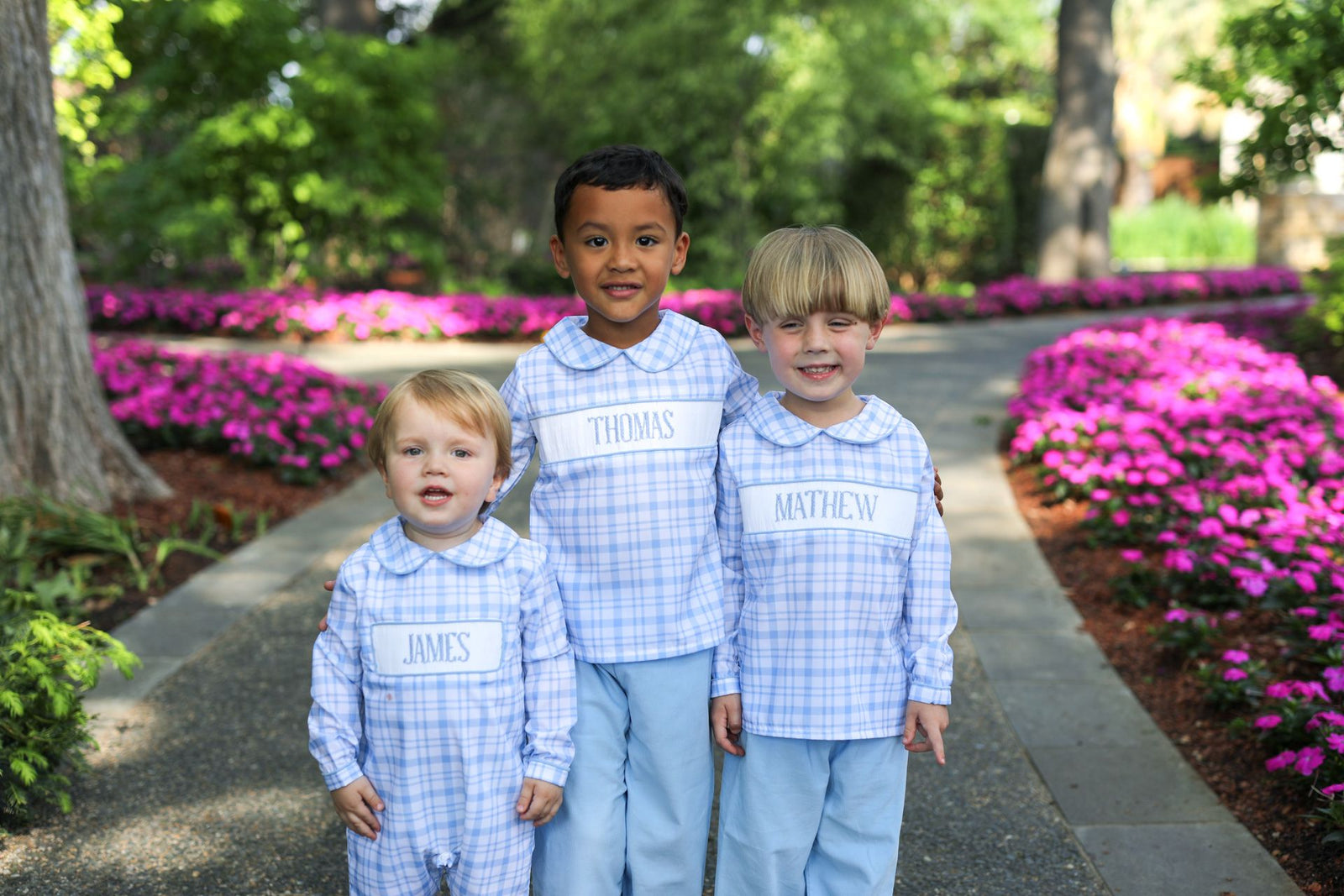
Final Fall & Winter Wardrobe Checklist
Before buying another outfit, ask:
- Does my child have enough everyday clothing to reach laundry day?
- Do we need one or two backups?
- What still fits?
- What are the actual wardrobe gaps?
- Do we have layers that work with several outfits?
- Does my child need a lightweight jacket?
- Does our climate require a warmer coat?
- Do we need hats, gloves, rain gear, or other weather accessories?
- Are pajamas covered?
- Are everyday shoes covered?
- Do we have at least one versatile polished outfit if our family needs one?
- Are family pictures, Thanksgiving, Christmas, church, or school events coming up?
- Can one special outfit work for more than one event?
If you can answer those questions, your wardrobe may be closer to finished than the clothing rack would have you believe.
The goal is not a closet packed with fall and winter clothes.
It is a closet where the clothes your child owns work together, fit the weather and the family calendar, and actually get worn.
Sources & References
For cold-weather and car-seat safety information, Cecil & Lou refers parents to the American Academy of Pediatrics through HealthyChildren.org:
For classic children’s clothing terminology and traditional techniques: