
Classic Coordinating Styles
Matching Sibling Outfits for Kids

Shop Cecil & Lou matching sibling outfits for babies, toddlers, brothers, and sisters. Find dresses, bubbles, rompers, jon jons, shirts, polos, and short sets in shared prints, complementary colors, and soft fabrics.
Choose age-appropriate pieces for each child while keeping the finished look polished and connected. These coordinated styles are made for family photos, church, birthdays, holidays, vacations, and everyday outings.
Looking for seasonal children’s clothing? Browse our Pumpkin Collection, Thanksgiving Collection, and Christmas Clothing Collection for fall prints, festive details, comfortable fabrics, and photo-ready looks.
- Baby to Big Kid Sizes
- Classic Smocked Details
- Brother & Sister Styles
- Dresses, Bubbles & Rompers
- Photo-Ready Clothing
-

Pink And Blue Pumpkin Print Knit Dress
Regular price $39.00Regular priceUnit price per$39.00Sale price $39.00 -

Pink Gingham Pumpkin And Bow Print Knit Long Bubble
Regular price $38.00Regular priceUnit price per$38.00Sale price $38.00 -

Pink Pumpkin And Bows Knit Diaper Set
Regular price $39.00Regular priceUnit price per$39.00Sale price $39.00 -

Pumpkins And Bow Knit Dress
Regular price $39.00Regular priceUnit price per$39.00Sale price $39.00 -

Lavender Striped Knit Applique Pumpkin Diaper Set
Regular price $41.00Regular priceUnit price per$41.00Sale price $41.00 -

Navy Stripe Knit Applique Pumpkin Bubble
Regular price $41.00Regular priceUnit price per$41.00Sale price $41.00 -

Pink Pumpkin And Ribbon Knit Pajamas
Regular price $32.00Regular priceUnit price per$32.00Sale price $32.00 -

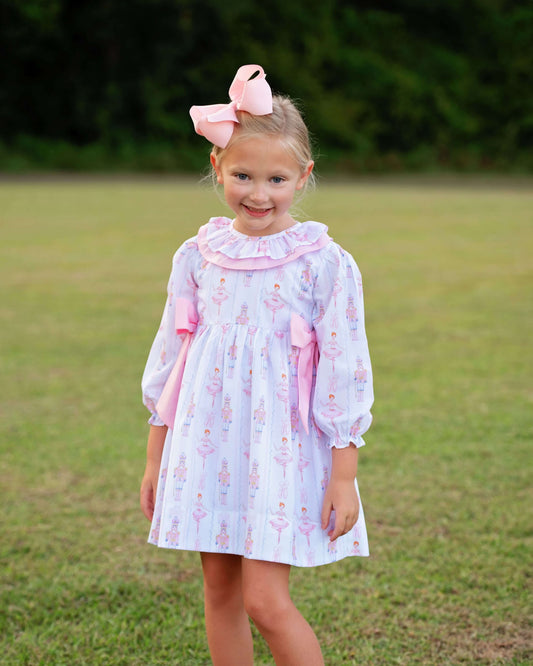
Ballerina Nutcracker Bow Dress
Regular price $39.00Regular priceUnit price per$39.00Sale price $39.00 -

Red And Green Windowpane Long Romper
Regular price $38.00Regular priceUnit price per$38.00Sale price $38.00 -

Red And Green Windowpane Insert Bubble
Regular price $37.00Regular priceUnit price per$37.00Sale price $37.00 -

Christmas Plaid Insert Long Bubble
Regular price $38.00Regular priceUnit price per$38.00Sale price $38.00 -

Christmas Plaid Insert Pant Set
Regular price $41.00Regular priceUnit price per$41.00Sale price $41.00 -

Christmas Plaid Polo Pant Set
Regular price $41.00Regular priceUnit price per$41.00Sale price $41.00 -

Pink Christmas Knit Pajamas
Regular price $32.00Regular priceUnit price per$32.00Sale price $32.00 -

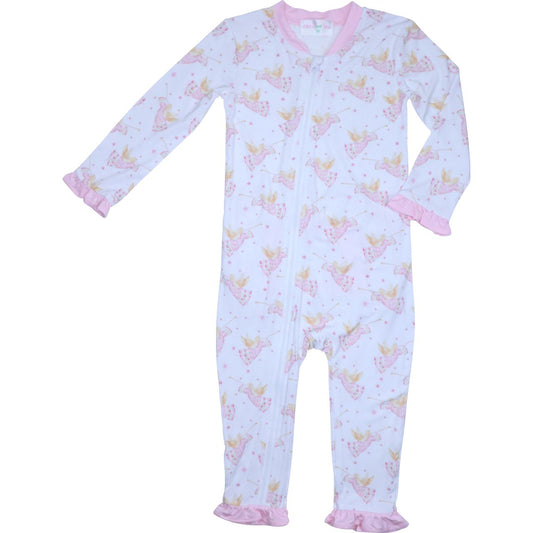
Christmas Angels Knit Zipper Pajamas
Regular price $32.00Regular priceUnit price per$32.00Sale price $32.00 -

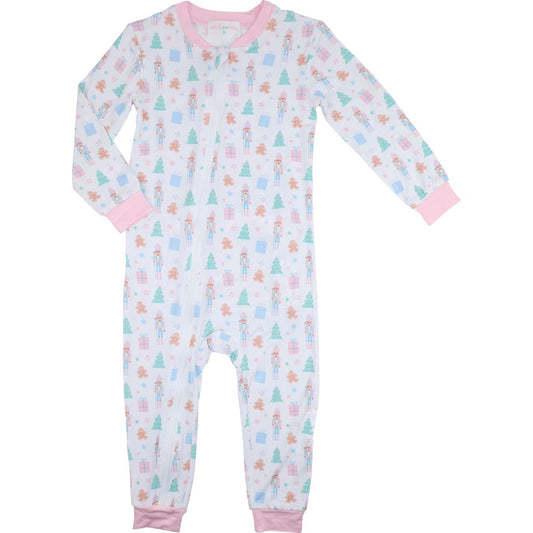
Pastel Nutcracker Print Knit Zipper Pajamas
Regular price $32.00Regular priceUnit price per$32.00Sale price $32.00


Sibling Outfit Guide
How Do You Choose Matching Sibling Outfits for Kids?
Learn how to coordinate styles for babies, toddlers, brothers, and sisters using shared prints, complementary colors, comfortable fabrics, and age-appropriate silhouettes for photos, holidays, church, and everyday wear.
Browse by print, color, season, and size to find pieces that work together for each child. Product availability, sizing, and price vary by design, so review each product page before ordering.
What Makes Sibling Clothing Look Coordinated?
Children’s clothing looks coordinated when the garments share one or more design elements, such as the same fabric, print, color palette, embroidery, trim, collar, or seasonal theme.
The pieces do not need to be identical. A younger child can wear a bubble or romper, while an older girl wears a dress and a boy wears a polo or short outfit in the same print. This creates a polished look while allowing each child to wear a style suited to their age.
How Can a Brother and Sister Coordinate Their Outfits?
A brother and sister can coordinate through a shared print, fabric, color palette, embroidered detail, or seasonal motif. Pair a dress or bubble with a jon jon, polo, shirt, or short outfit made from the same material or complementary colors.
This approach works well when the children need different silhouettes but you still want the finished look to feel connected and photo-ready.
How Do I Coordinate Styles for Children of Different Ages?
Start with the youngest child because infant and toddler sizes may be more limited. Choose the bubble, romper, jon jon, or diaper outfit first, then select dresses, polos, shirts, shorts, or separates for the older children.
Using age-appropriate silhouettes from one print family helps every child feel comfortable while preserving a unified appearance. Check each product page because available sizes may differ between garments.
What Should Siblings Wear for Family Photos?
Choose one anchor print or a simple palette with two or three related colors. Keep the children’s outfits visually connected, then dress parents and other family members in solids or subtle textures that support the children’s clothing without competing with it.
Gingham, plaid, floral prints, seersucker, knit fabrics, embroidery, and traditional details photograph well because they add texture without requiring every child to wear the same garment.
Why Are Traditional Smocked Styles Popular?
Traditional smocking creates a classic boutique appearance that works well for portraits, church, birthdays, holidays, weddings, and special gatherings. The gathered detail adds texture and can be repeated across several children’s garments through related colors or embroidery.
A decorated dress may pair with a bubble, romper, jon jon, or boys’ shirt using the same fabric or motif. This creates a unified look without making every outfit identical.
What Fabrics Work Best for Coordinated Children’s Clothing?
The best fabric depends on the season, occasion, and expected length of wear. Cotton and cotton blends are versatile choices for gatherings and everyday outings, while seersucker and lightweight woven fabrics are especially useful in warm weather.
Knit materials offer flexibility for younger children, while plaid, gingham, corduroy, embroidery, long sleeves, and layered pieces work well during cooler months. Review the individual product description for exact fabric composition and care instructions.
What Seasonal and Comfortable Clothing Styles Work Best for Kids?
The best seasonal children’s clothing combines a polished appearance with fabrics and silhouettes kids can comfortably wear throughout the event. Choose pieces that allow each child to sit, walk, play, and move easily.
- Warm weather: Lightweight cotton, knit, seersucker, bubbles, rompers, dresses, polos, and shorts.
- Fall: Pumpkin prints, gingham, plaid, embroidery, deeper colors, and light layers.
- Thanksgiving: Warm tones, traditional checks, comfortable dresses, shirts, and family-photo looks.
- Christmas: Festive plaid, embroidery, classic dresses, rompers, longalls, shirts, and holiday details.
Babies may be most comfortable in bubbles or rompers, toddlers may prefer flexible one- or two-piece styles, and older children may wear dresses, polos, shirts, or separates in the same color family.
Where Can I Find Seasonal Styles for Brothers and Sisters?
For fall photos and pumpkin patch visits, browse the Pumpkin Collection for prints, embroidery, gingham, and layered looks.
For family meals and autumn gatherings, explore the Thanksgiving Collection for warm colors, traditional checks, and comfortable holiday clothing.
For Christmas photos, church, school programs, and celebrations, shop the Christmas Clothing Collection for festive plaid, embroidery, dresses, rompers, shirts, and seasonal details.
How Can Children Coordinate Without Looking Identical?
Use one shared element and vary the rest. One child might wear a patterned garment while another wears a solid piece that repeats one of the pattern’s main colors.
Shared collars, trim, embroidery, buttons, fabric details, or color palettes create a connected look while allowing each child’s clothing to feel individual.
What Coordinated Styles Work for Everyday Wear?
Everyday pieces should be comfortable, washable, easy to move in, and appropriate for the day’s activities. Knit outfits, cotton dresses, polos, bubbles, rompers, shorts, and simple separates can create a polished appearance without feeling overly formal.
These styles work well for birthdays, vacations, family dinners, school events, casual photographs, and regular outings.
How Do I Choose the Right Size for Each Child?
Review the available size selector and product-specific fit information for every piece. Do not assume that a bubble, dress, romper, polo, and boys’ outfit will follow the same size range or fit in the same way.
Consider each child’s current measurements, preferred fit, and the date the clothing will be worn. Younger children may benefit from modest growing room, while structured garments should fit cleanly through the shoulders, chest, and waist.
When Should I Order Coordinating Pieces?
Order early when shopping for portraits, holidays, church events, weddings, birthdays, or travel. Popular prints and sizes may sell out at different times, making it harder to complete the full group later.
Purchase every child’s outfit together when possible, and allow enough time for shipping, exchanges, alterations, or growth before the planned event.